
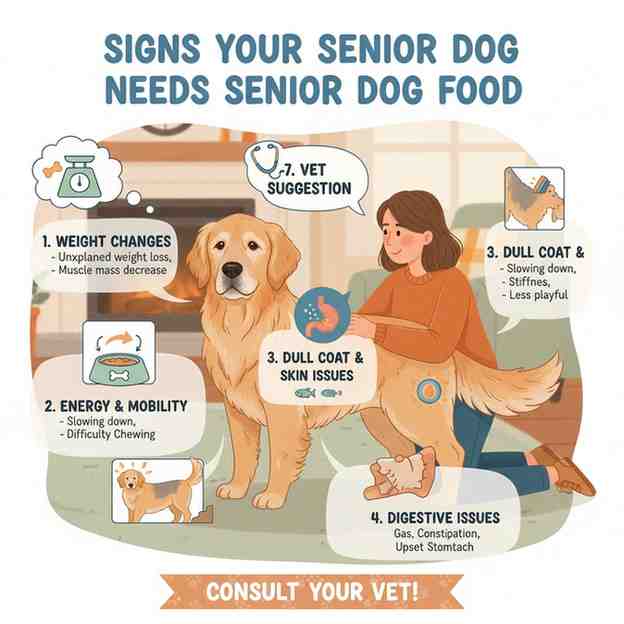
As your dog enters their golden years, their body begins to send subtle messages—some easy to miss, others impossible to ignore. But how do you know when those changes mean it’s time to take a closer look at what’s in their bowl? If you’ve ever wondered whether you’re feeding your aging companion the right diet, or if the signs you’re noticing point toward a necessary food upgrade, you’re not alone.
Senior dogs experience shifts in metabolism, digestion, energy, and appetite, and the food that once kept them thriving may no longer be enough. Are they slowing down because they’re simply “getting old,” or is their current diet failing to support their needs? Are they eating less because of taste, texture, or discomfort? These are important questions every pet parent eventually faces.
In this guide, we’ll explore the key signs your senior dog needs a senior dog food , helping you recognize what’s normal—and what isn’t—as your dog ages. By the end, you’ll feel confident identifying nutritional red flags and making informed decisions that support your dog’s health, comfort, and happiness.
Your Dog’s Energy Levels Are Dropping
A slower pace is normal as dogs grow older, but if your dog seems stiff, hesitates to climb stairs, or gets tired quickly during short walks, their joints may need extra nutritional support. Senior dog food usually contains glucosamine, chondroitin, and essential fatty acids, which help promote flexibility and comfort. These nutrients can make everyday movements easier and help your dog feel more active.
If you want to understand how much food to offer for better energy balance, check out this guide: How Much Wet Food Should I Feed My Senior Dog?
Noticeable Weight Gain or Weight Loss
Unexpected changes in weight often appear during the senior years.
Weight Gain
As metabolism slows and activity decreases, older dogs may gain weight even when eating the same amount of food. Extra weight can lead to joint pressure, heart stress, and a shorter lifespan.
Weight Loss
Some seniors lose weight because of reduced appetite, muscle loss, or decreased nutrient absorption.
Senior dog food contains balanced calories and highly digestible proteins that help maintain a stable, healthy body weight.
Coat Becomes Dull or Skin Gets Dry
A shiny coat and soft skin are signs of good nutrition. When your dog’s coat becomes dull, flaky, or patchy, it often means they’re not receiving enough essential nutrients.
Senior formulas typically include:
- Omega-3 and omega-6 fatty acids
- Vitamin E
- Quality protein
These ingredients help revive coat shine, support healthy skin, and reduce dryness.
Digestive Issues Are Becoming More Frequent
As dogs age, their digestive system becomes more sensitive. You might notice:
- Gas
- Constipation
- Diarrhea
- Frequent stomach upset
Senior dog food is designed with gentle ingredients, extra fiber, and stomach-friendly nutrients to support smoother digestion. If your dog’s tummy troubles are becoming common, their current diet may no longer suit them.
Changes in Appetite or Drinking Habits
A sudden shift in how much your dog eats or drinks is often a sign that their nutritional requirements have changed. Older dogs may lose interest in food or begin drinking more water than usual.
Senior dog food helps regulate appetite, support organ health, and provide steady energy levels. A diet tailored to their age can make mealtimes more enjoyable and comfortable.
Difficulty Chewing or Avoiding Hard Food
Dental issues are very common in senior dogs. If your dog takes a long time to eat, drops food from their mouth, or prefers softer meals, they may be finding kibble difficult to chew.
Wet senior dog food or softer kibble textures can make eating easier while ensuring they still receive complete nutrition.
Your Veterinarian Suggests a Diet Change
Vets can detect early signs of aging before they become obvious at home. If your vet recommends switching to senior dog food, it’s usually based on changes they see in muscle condition, dental health, digestion, or mobility.
Key Benefits of Switching to Senior-Friendly Wet Food
Upgrading to wet food offers several advantages:
- Easier digestion
- Natural hydration
- Softer texture for painful gums
- Better skin, coat, and joint support
- Stronger appetites due to rich aroma
It’s a simple change that brings big improvements.
When Is the Right Time to Switch to senior dog food?
Most dogs are considered senior around 7–8 years old, but age isn’t the only factor. If you’re noticing changes in energy, appetite, digestion, weight, or coat condition, your dog may already benefit from senior dog food.
A proper senior diet can improve:
- Mobility
- Digestive comfort
- Coat health
- Appetite
- Energy levels
- Overall well-being
It’s a small change that can greatly improve your dog’s quality of life.
Conclusion
As your dog steps into their senior years, their needs become more unique—and their food should reflect that. The small signs you notice today can be powerful indicators that it’s time to rethink what’s in their bowl. A thoughtful food upgrade not only supports their changing body but also brings comfort, vitality, and joy back into their daily life.
Your senior dog relies on you more than ever—give them a diet that supports longer, happier, healthier years ahead.
FAQ FOR Signs Your Senior Dog Needs Senior Dog Food
-
What age should a dog start eating senior dog food?
Most dogs begin senior diets around 7–8 years old, but large breeds may need it earlier. Watching your dog’s behavior and health signs is more important than focusing solely on age.
-
Can I feed my senior dog wet food?
Yes. Wet food is often easier for senior dogs to chew and digest, especially if they have dental issues or a reduced appetite.
-
How Do I Switch My Senior Dog to Wet Food Safely?
Make the change slowly over 7–10 days, mixing a little senior food with their current food and increasing the amount each day.
-
what to look for when buying wet food for senior dog?
Choose formulas with glucosamine, chondroitin, omega fatty acids, antioxidants, and easy-to-digest protein sources.